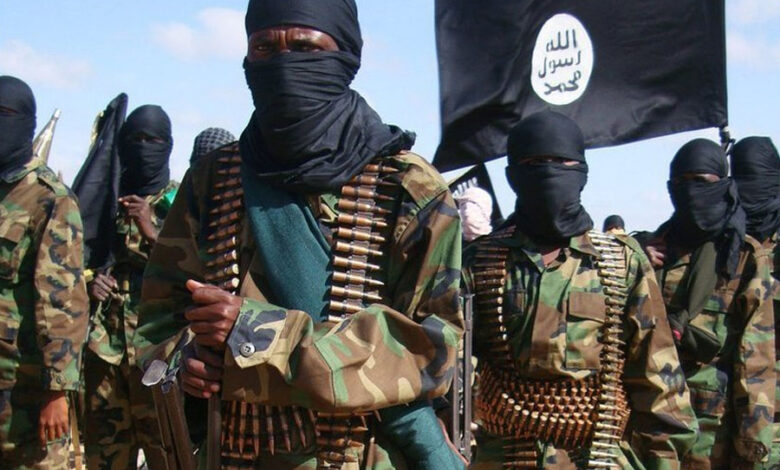
Somalia, located in the Horn of Africa, remains a significant hub for terrorism, with both ISIS and al-Qaeda-affiliated groups posing severe threats to its citizens. According to Human Rights Watch, hundreds were killed in 2024 due to attacks by jihadists and ongoing clan conflicts. This has led to widespread extortion at armed roadblocks set up by both terrorists and corrupt government troops, creating a climate of lawlessness.
President Donald Trump recently criticized Somalia, calling it “the worst country on Earth,” while the U.S. has ramped up airstrikes against terrorist groups in the region. The military efforts have seen a substantial increase under his administration, with joint operations targeting ISIS and al-Shabab militants in various regions. Despite these operations, al-Shabab continues to exert control over significant territories, influencing local governance through taxation and harsh interpretations of Sharia law.
Contrasting with these dire assessments, some residents in Mogadishu assert that the city is experiencing relative stability and growth. Reports highlight that many areas are booming, with a bustling business environment and ongoing construction projects. However, fear of terror attacks persists, as evidenced by recent assaults, including a deadly attack on a beach restaurant that claimed numerous lives.
Experts note a complex and uneven landscape in Somalia, where urban centers show signs of improvement while rural areas remain perilous due to militant control. Corruption within the government exacerbates the situation, forcing citizens to navigate extortion and bribery just to access essential services. While some Somalis express hope for a more stable future, the ongoing threats from extremist groups and the challenges of governance continue to cast a shadow over the nation.
SOURCE: FOXNEWS.COM